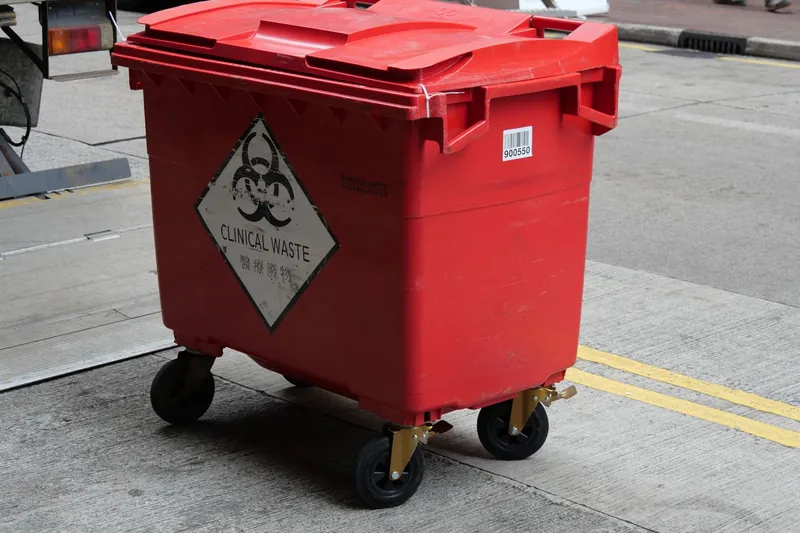
Medical Waste Removal
Medical waste removal covers disposal through an approved facility used for treatment.
See medical waste removalGet blood, bodily fluids and contaminated materials cleaned from a hospital, clinic, dental office, laboratory or care facility in Civic Center. The affected area is contained, cleaned, disinfected and documented.
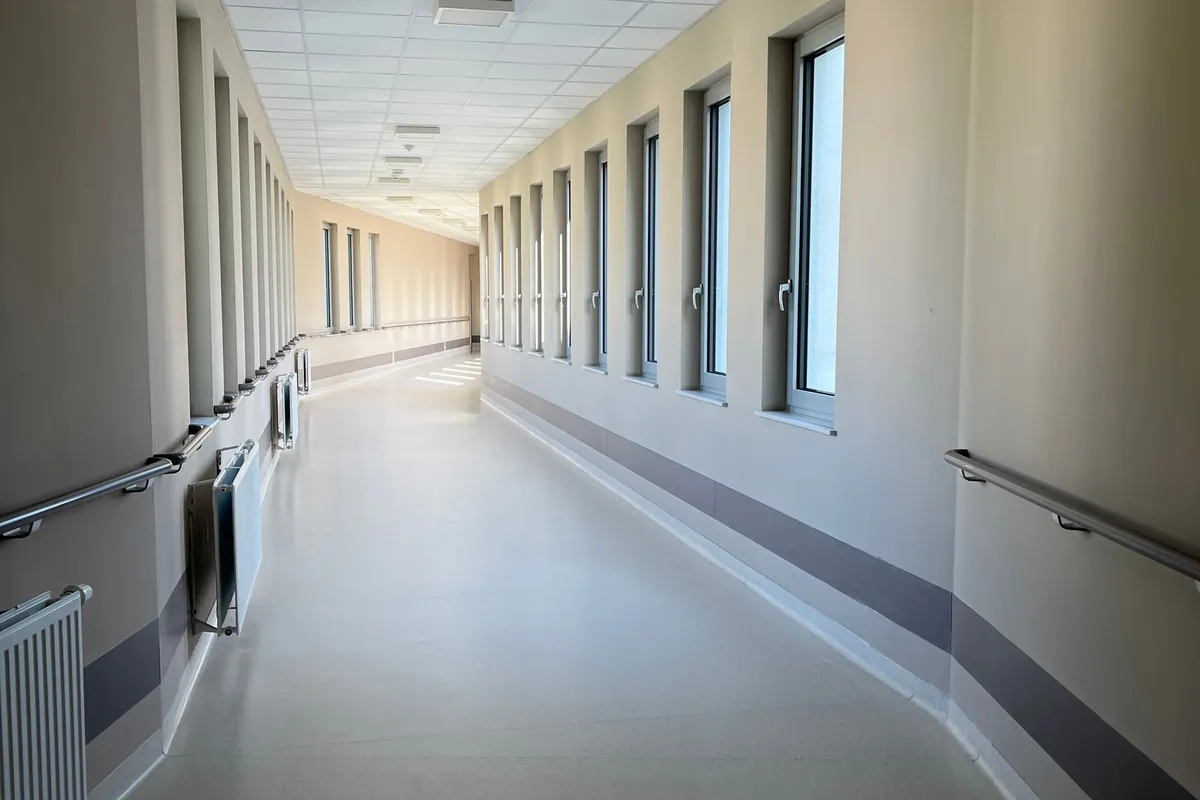
Hospital and healthcare biohazard cleanup is the controlled removal of blood, bodily fluids and contaminated materials, followed by cleaning and disinfection of the affected space.
When routine environmental services cannot manage a spill or emergency response, professional cleaning services may be needed. Work may occur in hospital rooms, urgent care centers, laboratories, clinics, dental offices, dialysis centers, nursing homes and other care settings. Its purpose is to restrict entry, clear visible material, disinfect surfaces that can be cleaned and send packaged waste through the proper route.
Identifying the impacted area and its surfaces is the cleanup team's first task. From there, materials that can be cleaned are kept apart from unsalvageable ones. Hard and non-porous materials may remain after cleaning and disinfection. Porous items such as wallboard, ceiling tile, carpet and unfinished wood may require removal if contamination soaked into them. Soft contaminated waste, hazardous materials, sharps and medicines are separated by waste stream.
Compare cleaning services by asking how each scope identifies the affected area, surfaces that can remain, materials that may need removal and cleanup steps that affect cost. Clear answers help you compare the options.
Available scope notes, permitted photos and waste records are organized so your administrator, property contact or insurance company can check the work.
Before the space returns to use, your facility contact checks containment, protective gear, cleaning, disinfectant contact time and separate waste handling.
For privacy-sensitive work, crews may arrive in unmarked vehicles, with equipment following a planned route to help reduce notice in spaces that remain occupied.
Hospital biohazard cleaning becomes necessary when intended containment no longer holds blood or another potentially infectious substance, allowing it to reach an item, surface or room. Common examples are:
Careful removal may be needed for bodily fluids, blood or contaminated soft items found in common areas and resident rooms.
Vomit, urine, feces or other bodily fluids can affect waiting rooms, exam rooms, restrooms and staff areas.
Access must be limited if contaminated broken glass or loose needles are present, with the items placed in the correct puncture-resistant sharps container.
Before full contact-time disinfection, blood must be removed under controlled conditions from floors, walls, bed frames or outer equipment surfaces.
Before cleaning blood in any hospital or healthcare area, protect people and use the facility's exposure control plan. Do not enter an area under law enforcement control until it has been released. Begin with these steps:
Call (888) 440-9227There is no hospital-specific cost entry in the available published guides. For context, general biohazard cleanup guides list a typical national range of $3,000 to $5,000. A residential average range is $1,800 to $4,500. Broader published spans run from $1,500 to $25,000. These are general biohazard figures, not hospital quotes. The actual cost depends on the affected area, materials, waste and access requirements.
These national ranges are taken from published cost guides, rather than a property visit. After an on-site assessment, the price for your property is determined and shared with you before cleanup begins.
Ask about cost: (888) 440-9227Coverage is determined by the cause, the facility's insurance policy and contracts that set responsibility. Routine cleaning differs from work required after a sudden event. Good records support the insurance company's loss assessment and give you a clearer path forward.
Keep the cleanup scope, permitted photos, invoices and available waste records. Find out from your adjuster which records are needed before repair work or disposal changes the affected area.
Routine environmental cleaning and recurring medical waste pickup are generally planned facility expenses. Your administrator or facilities contact can confirm the correct internal account.
Ask the insurance company whether cleanup, removed materials, waste disposal and related restoration are eligible under the policy. Write down the claim number and keep documentation of the cause.
A lease for clinical space may state whether the property owner or tenant is responsible for cleanup and structural repairs. Notify your property contact and examine the lease prior to taking out any structural materials.
Hospital cleanup moves in a controlled order from assessment and containment to disinfection, waste packaging and a last check. This structure protects nearby areas and makes the work understandable to facility staff. The particular materials, affected surfaces and internal facility procedures shape the final scope.
Cleanup technicians start after understanding the event, mapping the affected area and identifying porous materials, chemicals, sharps, blood and bodily fluids.
Crews limit access, establish a clean route inside and shield nearby equipment or rooms from avoidable traffic across the work zone.
Protective equipment is matched to the known exposure, including gloves, clothing, eye protection and respiratory gear, because every situation can need a different setup.
Any material that can be seen is absorbed before removal. Crews start at the outside edge, working without pushing liquid toward adjacent surfaces or flooring seams.
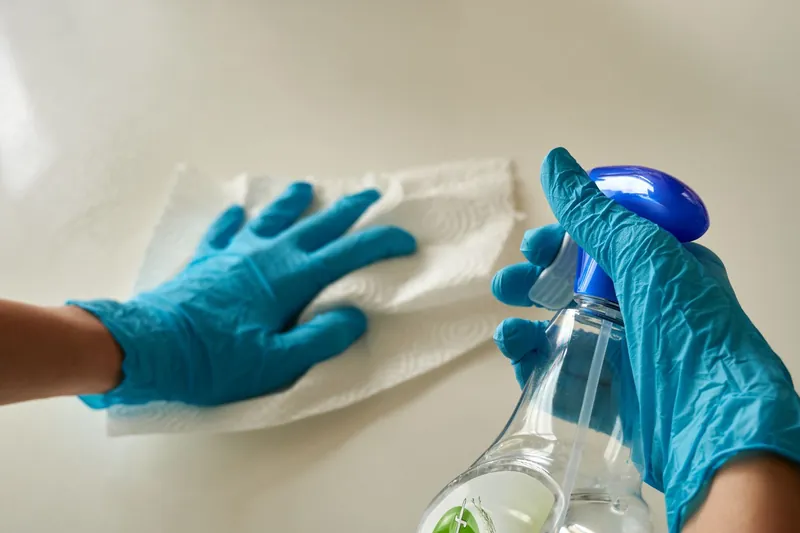
Crews wash surfaces that can be cleaned, apply an EPA-registered disinfectant and maintain wetness for all of the contact time on the label.
Crews carefully take out absorbent items when full cleaning is not possible. The correct waste routes require separate handling for medicines, chemicals, sharps and soft waste.
Without pressing bags down or mixing materials that conflict, hazardous waste goes into its correct closed container. An exterior check occurs prior to taking it out of the work space.
After your facility contact examines the work area, available records for waste, project scope and photos are prepared for the facility's files.
Phone any hour. A specialist in hospital and healthcare biohazard cleanup takes your call, explains each step and agrees on a start time with you.
Blood, bodily fluids, loose sharps and hidden contamination can create serious health risks when the wrong tools or cleaning order are used.
An open cleanup area can draw attention and interfere with care. Clear boundaries and discreet movement of supplies help protect patients, loved ones and personal property while limiting unnecessary traffic.
Ordinary bags can be pierced by needles or contaminated glass, putting anyone who hand-collects the item or presses the waste at risk of injury.
Liquid can run beneath furniture, under wall trim or into floor seams. Material touched by the spill can be missed if only its obvious center is cleaned.
Can you clean it yourself? Under your facility's blood spill procedure, prepared and assigned staff may address a small spill affecting a non-porous hard surface. Keep access limited and seek professional cleanup if sharps are loose, porous items are affected, the spread is uncertain or the facility lacks enough cleanup capacity.
Non-porous surfaces can often stay when they can be fully cleaned and disinfected. Porous materials may need removal when blood or bodily fluids soaked below the surface, since hidden contamination cannot be left behind.
The OSHA Bloodborne Pathogens Standard, 29 CFR 1910.1030, establishes worker training, exposure controls, protective equipment and work methods for possible blood contact.
Use an EPA-registered disinfectant suited to the target organism and surface. Keep the surface wet throughout the entire contact period listed on the product label.
Ohio treats soaked materials from a biohazard scene as infectious waste. Ohio EPA's Division of Materials and Waste Management rules control how it is packaged, transported and treated, so it cannot go in household trash.
Local health and building rules can affect how a contaminated room is cleaned and when it can be used again, so mention any notice you have received from the city or county.
There is no standard duration for hospital biohazard cleanup. Work on a contained spill across hard surfaces may finish sooner than contamination affecting multiple rooms or spreading below porous flooring, while facility access also influences timing.
The full hospital and healthcare biohazard cleanup guide covers what is cleaned or removed, odor and air quality work, and the rules that apply in your state.
Read the full hospital and healthcare biohazard cleanup guideContainment, entry and cleanup plans can be influenced by local housing, population and access details.
Crews coming in from Uptown District, Downtown or Arena District should keep vehicles and equipment staged close to the affected property for privacy.
The neighborhood setting makes privacy especially important when equipment must pass through sidewalks, lobbies, or other visible common areas.
You can ask about cleanup in nearby communities and ZIP codes during the call.
Medical waste removal covers disposal through an approved facility used for treatment.
See medical waste removal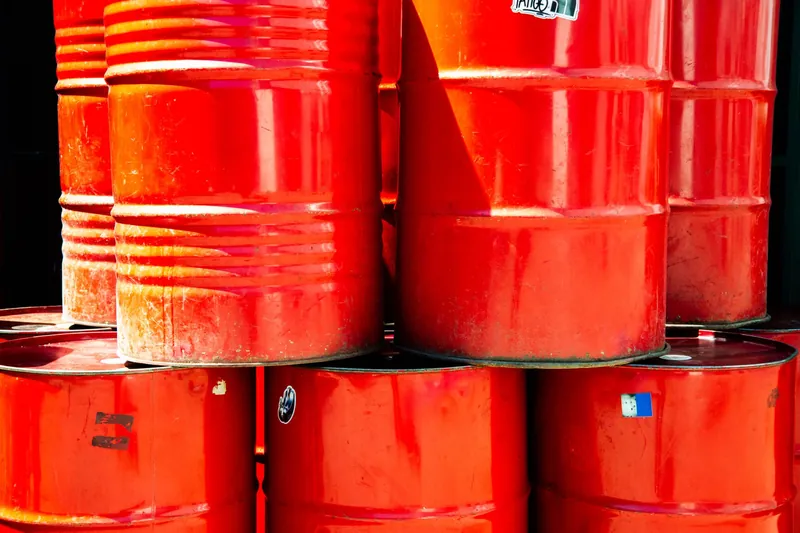
Biohazard waste is collected in labeled, sealed containers and taken for disposal.
See biohazard waste disposal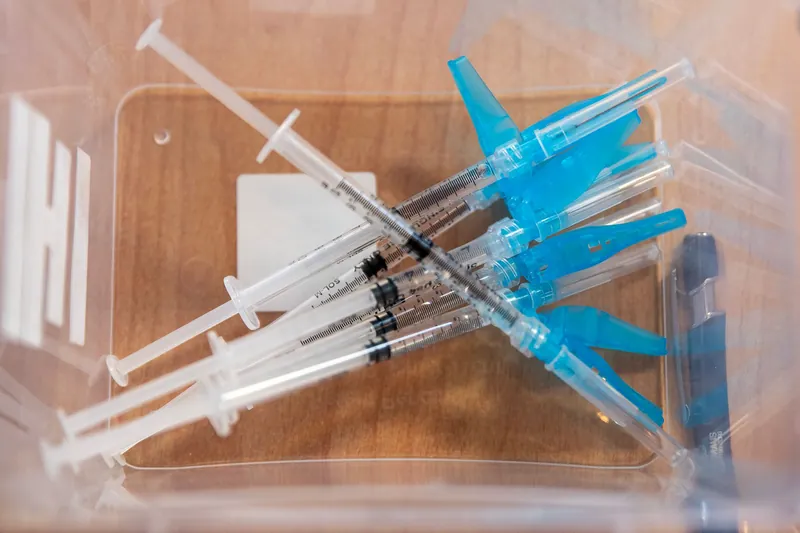
Yards, encampments, parks and rental properties receive needle and sharps cleanup.
See needle and sharps cleanup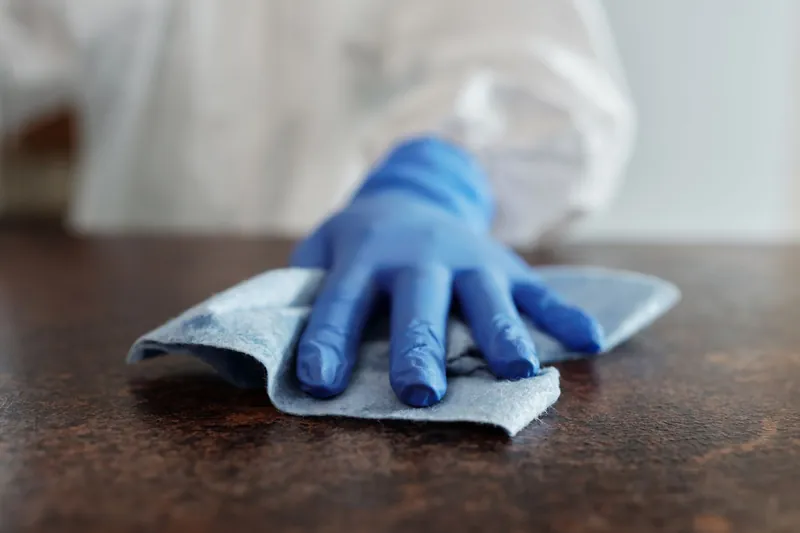
Blood spill cleanup for fresh or dried spills of any size.
See blood spill cleanup
Cleanup that controls hepatitis B, hepatitis C and HIV exposure from blood.
See bloodborne pathogen cleanup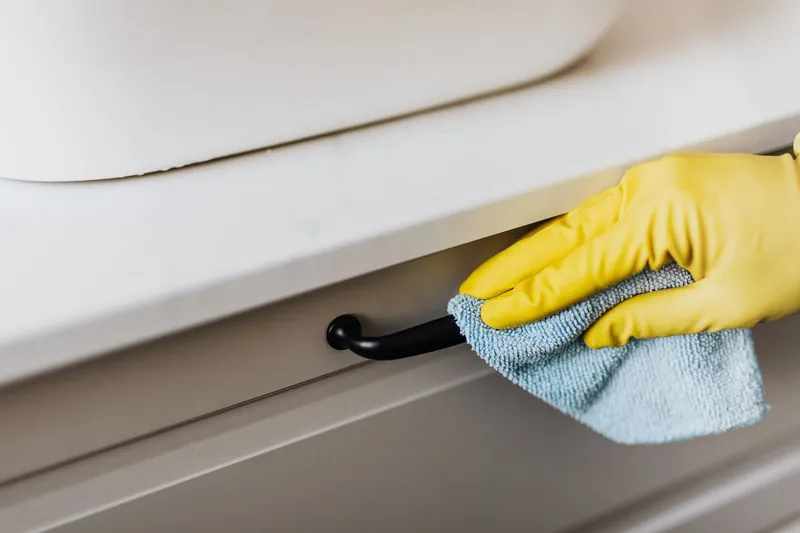
Across care settings, commercial spaces and homes, bodily fluid cleanup includes disinfection.
See bodily fluid cleanup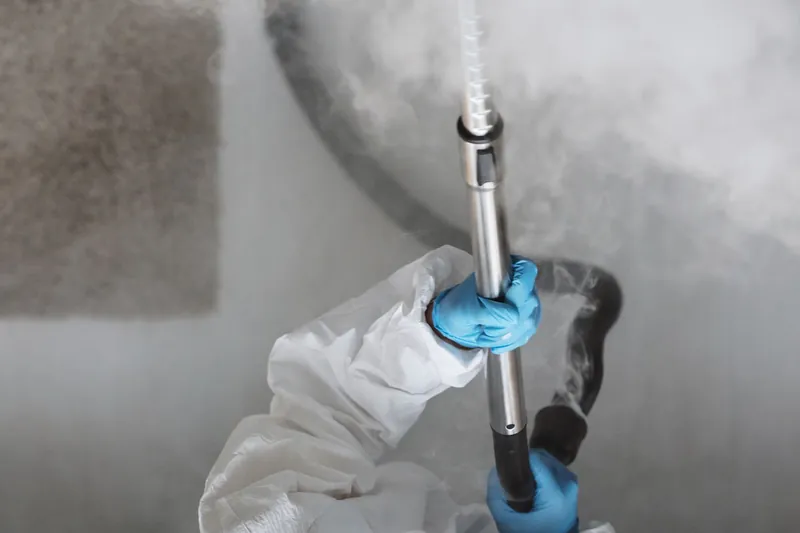
EPA-registered products are applied across all surfaces during infectious disease disinfection.
See infectious disease disinfection
Planning for industrial and commercial biohazard cleanup considers operations and access to the site.
See commercial and industrial biohazard cleanupYes, dried blood must still be approached with precautions for bloodborne pathogens. The CDC says hepatitis B can survive on surfaces for at least seven days. Never use a brush or scraper on dried material, since either action may disperse particles. Close off the space and follow clinic procedures covering exposure control, blood spill removal, surface cleaning and disinfection.
The answer varies by facility and event. A limited hard-surface spill can sometimes be addressed through the staff procedure. The presence of loose sharps, damaged containers, hidden contamination, a large spill or affected carpet and wallboard can go beyond ordinary cleaning capacity. The first decision should follow your plan for exposure control.
Begin by limiting access and using the facility exposure control plan. Assigned personnel wear proper protective equipment, contain the visible blood during removal, clean the surface and maintain an EPA-registered disinfectant through the label's full contact period. Separate procedures apply to sharps and affected porous material, sometimes making professional cleanup appropriate.
Crews inspect impacted surfaces once they have removed visible material, finished cleaning and kept disinfectant wet throughout the contact time on its label. Your facility contact receives the available scope notes and waste records. After cleanup, your facility can use its repair process for any removed wallboard, flooring, furnishings or ceiling tiles.
Hospitals follow their exposure control and waste procedures. Absorbed blood and contaminated disposable materials go into the required closed waste container, while needles and other sharps go into a puncture-resistant sharps container. Chemicals are kept apart from medicines. Applicable rules from the facility, locality and state determine the final route for treatment and transport.
Coverage depends on the cause, the facility's policy and any lease or service contract. Routine cleaning and planned waste collection may receive different coverage treatment than cleanup following a sudden covered event. Report the event, keep the claim number and ask which cleanup, disposal and repair records the insurance company needs.
Discreet, respectful hospital and healthcare biohazard cleanup, 24 hours a day, with crews in unmarked vehicles.